Understanding Barbiturate Safety and Risks 2026 – A Comprehensive Educational Guide



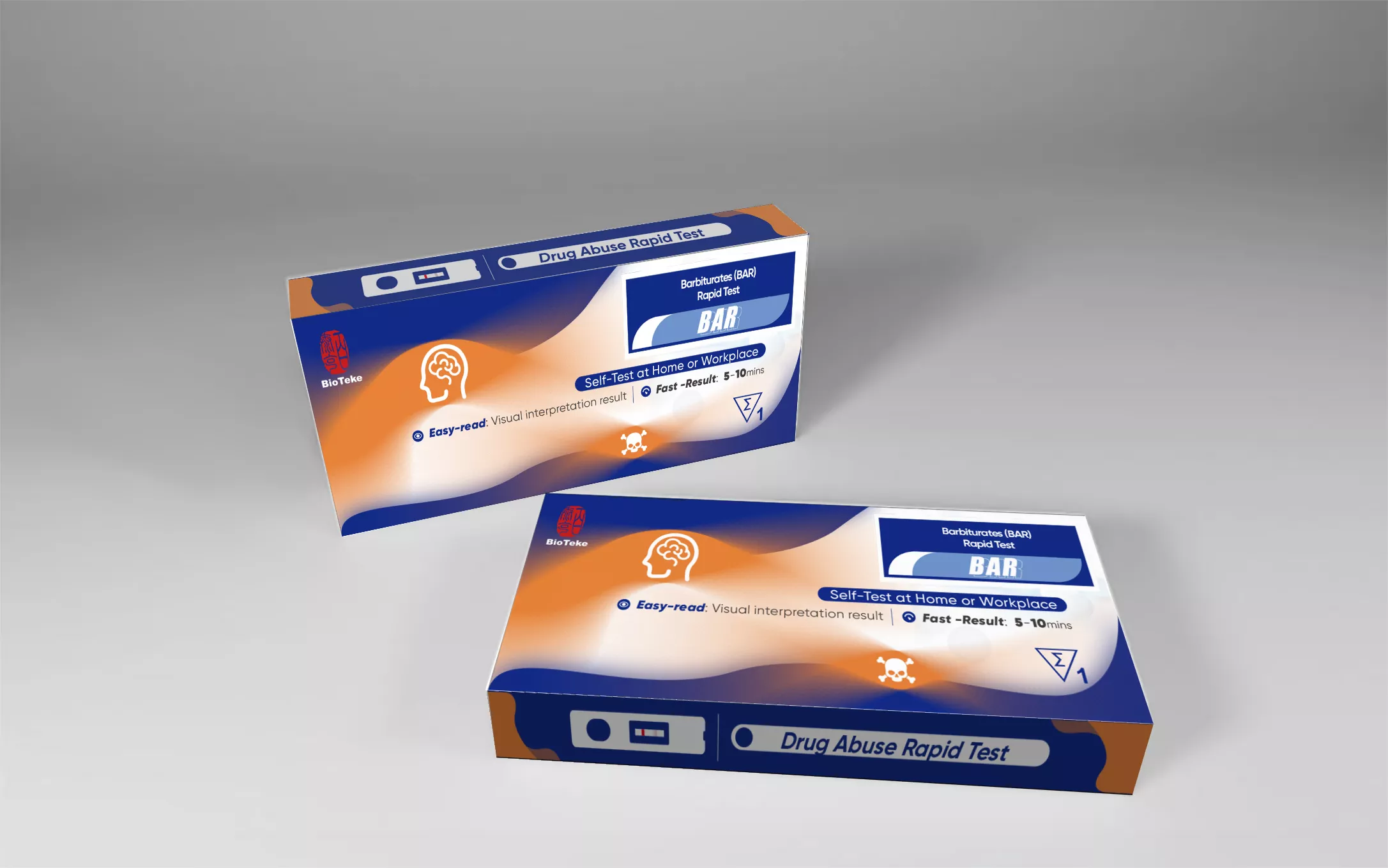
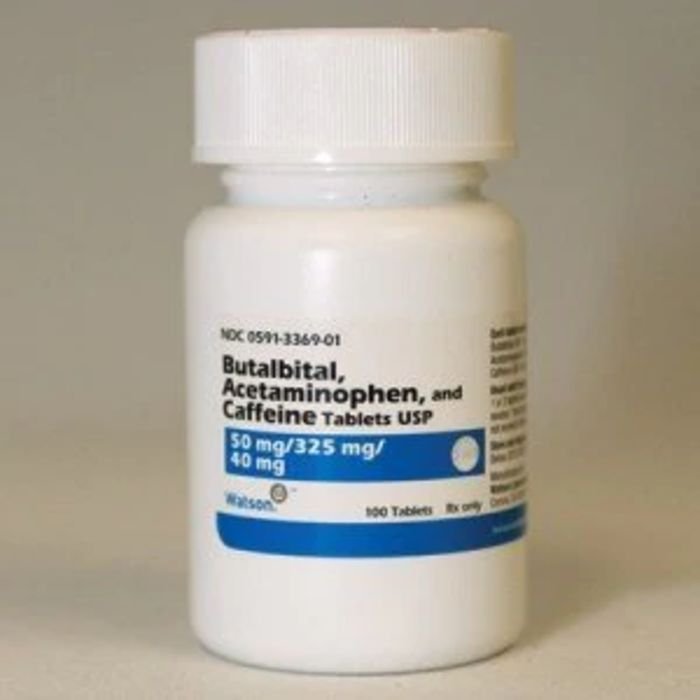
Understanding Barbiturate Safety Risks in 2026. Barbiturates represent a class of central nervous system (CNS) depressants with a long history in medicine and veterinary practice. As we move through 2026, understanding barbiturate safety and risks remains essential for healthcare professionals, veterinarians, researchers, and anyone seeking factual knowledge about these potent substances.
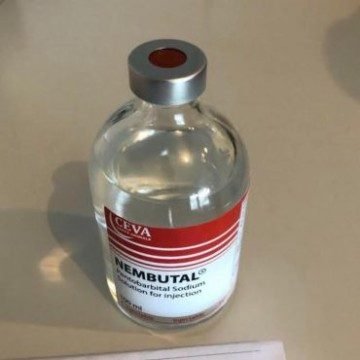
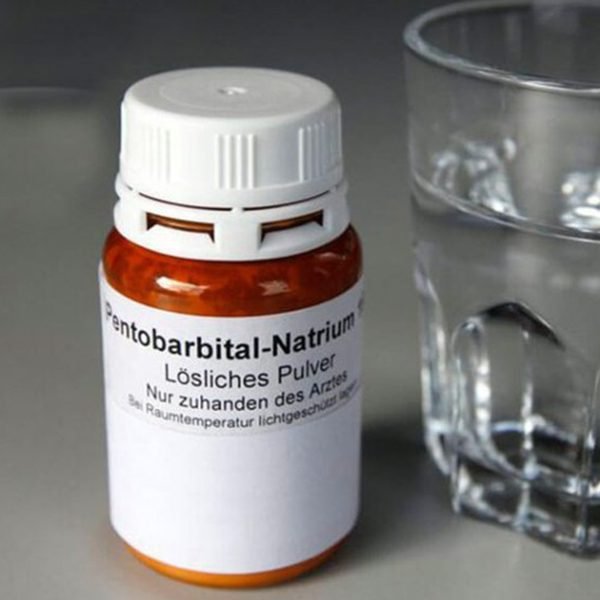
This comprehensive guide explores the pharmacology, potential dangers, safe handling protocols, and current regulatory context of barbiturates, with particular focus on pentobarbital (commonly known as Nembutal solution). The information presented here is purely educational and draws from established medical and scientific sources.
Internal Link: Learn more about Nembutal solution in Europe
What Are Barbiturates?
Barbiturates are derivatives of barbituric acid, first synthesized in the late 19th century. They function primarily by enhancing the activity of gamma-aminobutyric acid (GABA), the brain’s main inhibitory neurotransmitter. This leads to sedative, hypnotic, anticonvulsant, and anesthetic effects depending on the dose and specific compound.
Common Types:
- Short-acting (e.g., pentobarbital/Nembutal): Rapid onset, used in veterinary euthanasia and certain medical procedures.
- Intermediate-acting (e.g., amobarbital).
- Long-acting (e.g., phenobarbital): Often used for epilepsy management.
While once widely prescribed for anxiety and insomnia, their use has significantly declined due to safety concerns and the development of safer alternatives like benzodiazepines.
Mechanism of Action and Therapeutic Uses – Understanding Barbiturate Safety Risks in 2026
Barbiturates bind to specific sites on GABA-A receptors, prolonging the opening of chloride channels. This hyperpolarizes neurons, reducing excitability in the brain and spinal cord.
Approved or Historical Uses:
- Sedation and anesthesia induction.
- Seizure control (especially refractory cases).
- Veterinary euthanasia (pentobarbital remains a standard agent).
- Limited end-of-life protocols in jurisdictions where legally permitted.
In Europe, veterinary applications are the most common regulated use, with strict controls on human medical applications.
Key Safety Concerns with Barbiturates
Barbiturates have a narrow therapeutic index, meaning the difference between an effective dose and a toxic dose is small. This property contributes significantly to their risk profile.
Primary Safety Issues:
- Respiratory Depression: High doses can suppress breathing, leading to hypoxia and potentially fatal outcomes.
- Cardiovascular Effects: Decreased heart rate, low blood pressure, and risk of collapse.
- Tolerance and Dependence: Rapid development of tolerance increases overdose risk as users may escalate doses.
- Drug Interactions: Dangerous when combined with alcohol, opioids, or other CNS depressants.
Side Effects of Barbiturates
Common side effects vary by dose and duration of use:
Mild to Moderate:
- Drowsiness and sedation
- Confusion and impaired coordination
- Slurred speech
- Headache and dizziness
- Nausea or gastrointestinal upset
Serious Side Effects:
- Memory impairment
- Mood changes or paradoxical agitation
- Liver toxicity with prolonged use
- Hypersensitivity reactions (rare but possible)
In veterinary contexts, proper dosing is critical to ensure humane outcomes without unnecessary distress.
Understanding Overdose Risks – Understanding Barbiturate Safety Risks in 2026
Barbiturate overdose is a medical emergency. Toxic doses for pentobarbital typically start around 1 gram in adults, with lethal ranges between 2–10 grams, though individual factors vary widely.
Symptoms of Overdose:
- Extreme drowsiness progressing to coma
- Severely slowed or irregular breathing
- Hypotension and weak pulse
- Hypothermia
- Nystagmus (involuntary eye movement)
- Potential cardiac arrest and death
Mixing with other substances dramatically increases fatality risk. Survival may result in long-term neurological damage due to oxygen deprivation.
Treatment Approaches: Supportive care in ICU settings, including mechanical ventilation and monitoring. No specific antidote exists.
Safe Handling and Storage Guidelines
Proper handling is crucial for professionals with authorized access:
Storage Recommendations:
- Keep in original, tightly sealed containers.
- Store at controlled room temperature (15–30°C), away from light and heat.
- Use secure, locked cabinets compliant with controlled substance regulations.
- Restrict access to licensed personnel only.
Handling Precautions:
- Wear appropriate personal protective equipment (gloves, etc.).
- Avoid inhalation or skin contact.
- Follow chain-of-custody protocols for veterinary or research use.
Disposal: Dispose of unused or expired barbiturates through authorized hazardous waste channels according to national regulations. Never pour down drains.
Regulatory Framework in Europe (2026)
Barbiturates are strictly controlled under EU and national laws. Pentobarbital is classified as a controlled substance, with veterinary use requiring proper licensing and documentation. Cross-border movement is heavily regulated.
Professionals must stay updated with guidelines from the European Medicines Agency (EMA) and local authorities. Unauthorized possession or distribution carries severe legal penalties.
Risk Mitigation Strategies
- Professional Supervision: Never use without qualified medical or veterinary oversight.
- Patient/Animal Assessment: Screen for contraindications such as respiratory conditions or liver impairment.
- Education and Training: Ensure all handlers receive proper instruction.
- Monitoring: Regular vital sign checks during any administration.
- Alternatives Consideration: Explore safer options where clinically appropriate.
Withdrawal and Dependence Risks
Abrupt cessation after prolonged use can cause dangerous withdrawal symptoms, including anxiety, seizures, hallucinations, and potentially life-threatening complications. Medical detoxification is strongly recommended.
Frequently Asked Questions
Barbiturates are a class of sedative-hypnotic drugs that depress the central nervous system. They were commonly used in the past for anxiety, insomnia, and seizures, but are now strictly controlled due to their high risk of addiction and overdose.
The primary risks include respiratory depression, coma, severe addiction, and potentially fatal overdose. Even small dosage errors can be life-threatening. They should only be used under strict medical supervision.
Buying Nembutal online carries significant legal and health risks. In most countries it is a controlled substance. We strongly recommend consulting a licensed medical professional and following all local laws.
A barbiturate overdose is a medical emergency. Call emergency services immediately. Symptoms include extreme drowsiness, confusion, slowed breathing, and loss of consciousness.
Yes. Modern alternatives such as benzodiazepines, non-benzodiazepine sedatives, therapy, and lifestyle changes are generally considered safer and have lower risk of addiction and overdose.
Store barbiturates in a cool, dry place away from children and unauthorized persons. Keep them in their original labeled container and never share with others.
Broader Public Health Context – Understanding Barbiturate Safety Risks in 2026
Despite reduced medical prescribing, barbiturates occasionally appear in illicit contexts or veterinary diversions. Public education on risks helps prevent accidental or intentional harm.
Ongoing research focuses on safer pharmacological alternatives and improved overdose reversal strategies.
Conclusion
Understanding barbiturate safety and risks is vital for responsible engagement with these powerful substances. While they retain important roles in specific veterinary and medical settings, their narrow safety margin demands the highest levels of caution, regulation, and professional oversight.
This guide serves as an educational resource to promote awareness. For any practical application, always consult licensed professionals and adhere to current legal requirements in your jurisdiction.
Explore pharmacology resources
Legal Disclaimer This article is provided strictly for informational and educational purposes. It does not constitute medical, legal, or professional advice. NembutalSolution.org does not encourage, facilitate, or engage in any activities that violate local, national, or international laws. Barbiturates are controlled substances in most jurisdictions. Any use, possession, or distribution must comply fully with all applicable regulations. Readers are solely responsible for ensuring their actions adhere to the laws of their country. We strongly recommend consulting licensed physicians, veterinarians, or legal experts for personalized guidance. Unauthorized use of these substances can result in severe health risks and legal consequences.
Related posts



Write a Comment
- Nembutal Solution Dosage & Protocols for Peaceful End of Life in Europe – 2026 Guide

- Understanding Barbiturate Safety and Risks 2026 – A Comprehensive Educational Guide
- Nembutal Solution Europe Discreet Shipping 2026 – Informational Guide on Pentobarbital Use and Regulations
- How to Buy Nembutal Online in Europe with Discreet Shipping in 2026
- Polvere di nembutal— Guida Sicura e Legale per Acquisto e Informazioni